



You don’t have to live with ringing in your ears.
Tinnitus can be frustrating, exhausting, and difficult to ignore. Whether you hear ringing, buzzing, hissing, humming, or other sounds, you’re not imagining it—and you’re not alone.
At Mt. Harrison Audiology, we help patients understand the causes of their tinnitus and develop personalized strategies to reduce its impact on daily life.
What is Tinnitus?
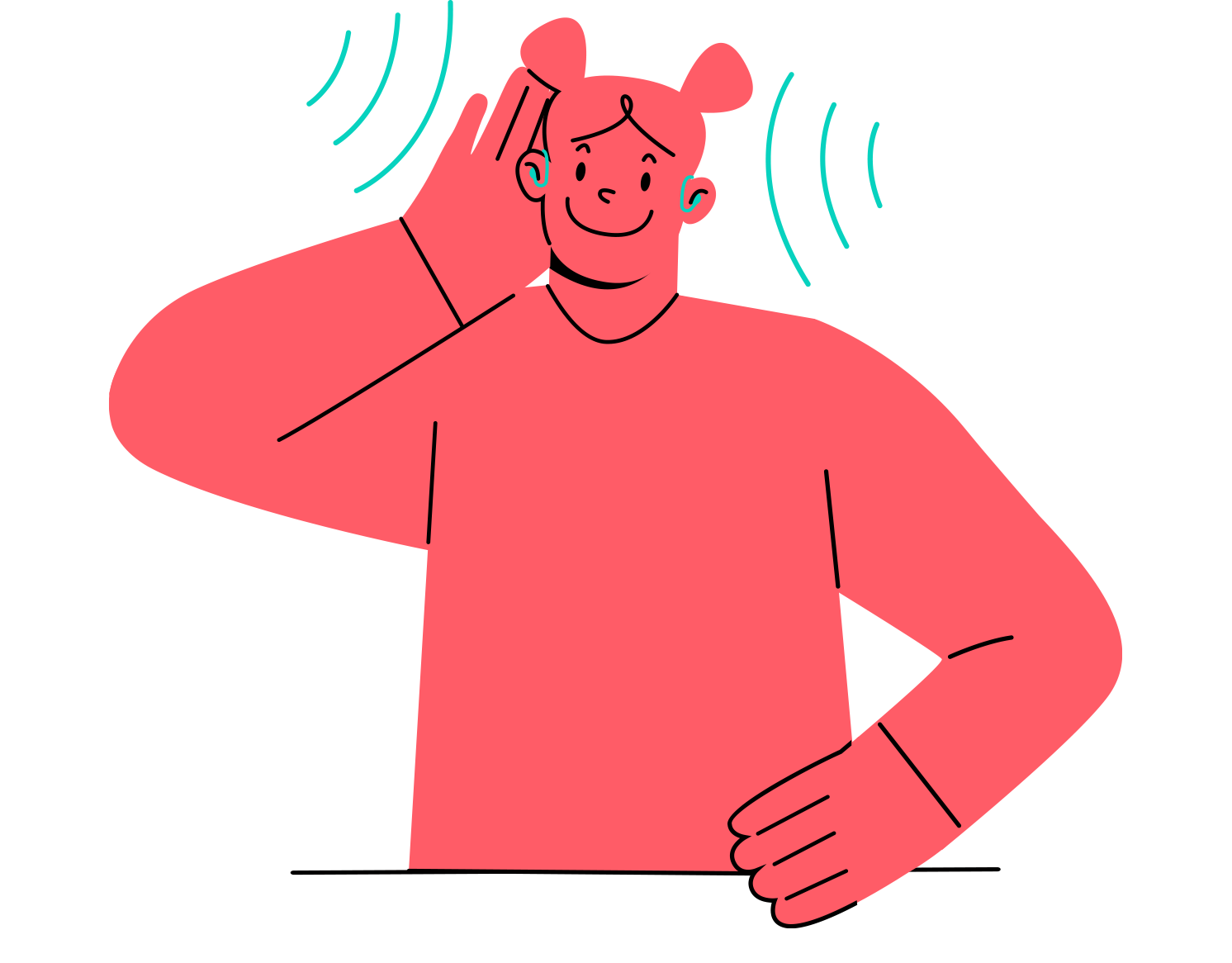
Tinnitus is the perception of sound when no external sound is present. While many people describe it as ringing in the ears, tinnitus can also sound like:
Buzzing
1
Your communication challenges
2
Humming
3
Roaring
4
Clicking
5
Pulsing
6
For some people, symptoms come and go. For others, they’re constant.
Tinnitus affects millions of people and can range from mildly annoying to significantly disruptive. It may interfere with concentration, sleep, relaxation, and overall quality of life.

You’re not making it up. And you’re not alone.

One of the most difficult parts of tinnitus is that other people can’t hear it.
Friends and family may not understand why it’s affecting you. Some people are even told there’s nothing that can be done.
But tinnitus is real, and its impact is real.
Many patients tell us they feel:
Frustrated
Anxious
Distracted
Exhausted
Overwhelmed by the constant sound
The good news is that while tinnitus cannot always be eliminated, it can often be managed successfully with the right evaluation and treatment approach.



The first step is understanding what’s causing it.
Tinnitus isn’t a condition itself. It’s a symptom.
Too many people are told to “learn to live with it.” Our patients deserve better answers, and so our team takes time to understand not only what you’re hearing but how tinnitus is affecting your sleep, concentration, relationships, work, and overall well-being.
That’s why effective treatment begins with a comprehensive evaluation.
At Mt. Harrison Audiology, we’ll work to understand:
Your hearing health
When symptoms began
Your medical history
Lifestyle factors
Potential contributing conditions
How tinnitus is affecting your daily life
We may also use specialized questionnaires to measure the impact of tinnitus on your quality of life and to help guide treatment recommendations.
Treatment is not one-size-fits-all.
Tinnitus can have many contributing factors, which means treatment looks different for every patient.
Depending on your evaluation, management options may include:
Hearing Aids
Many people with tinnitus also have hearing loss. Hearing aids can amplify important environmental sounds, making tinnitus less noticeable and improving overall communication.

Sound Therapy
Acoustic therapy uses carefully selected sounds to reduce awareness of tinnitus and make symptoms less disruptive.

Medical Referrals
If testing suggests an underlying medical condition may be contributing to your symptoms, we’ll help connect you with the appropriate provider for further evaluation.

Tinnitus Retraining Therapy (TRT)
Tinnitus Retraining Therapy combines sound therapy and counseling techniques designed to help the brain gradually reduce its awareness and reaction to tinnitus over time. TRT is a well-established management approach that has helped many people regain control over their symptoms.
More options for treating tinnitus.
There is no single treatment that works for every person with tinnitus. Your treatment plan should reflect your symptoms, your hearing, and the ways tinnitus is affecting your everyday life.
In addition to established approaches like hearing aids, sound therapy, and Tinnitus Retraining Therapy, Mt. Harrison Audiology has partnered with OTO and Lenire to bring innovative tinnitus treatment options to our patients.
Lenire: A new approach to tinnitus treatment.
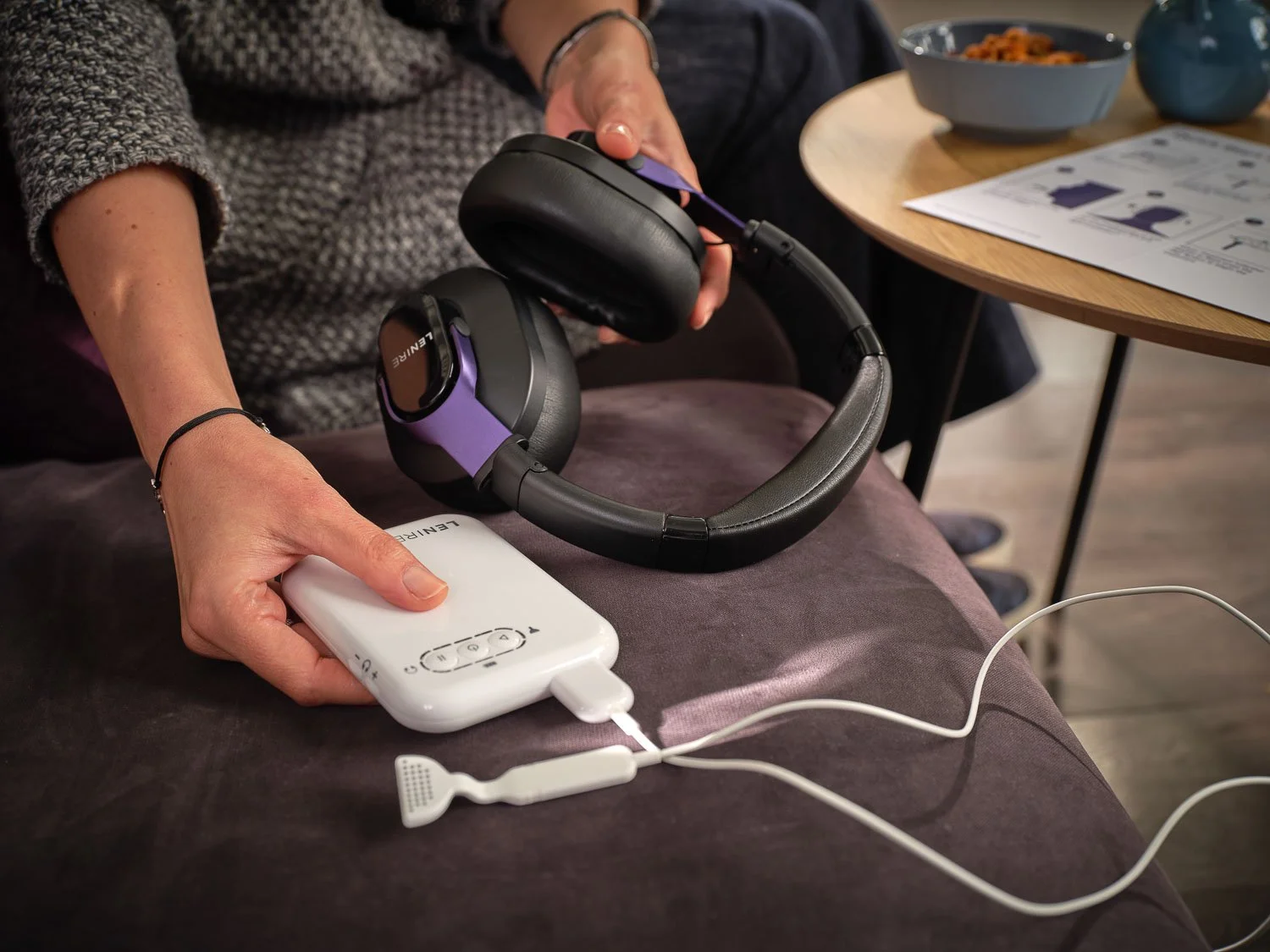
Lenire is the first bimodal neuromodulation device of its kind authorized by the FDA for the treatment of tinnitus. It combines customized sound through headphones with gentle electrical stimulation of the tongue. Together, these two forms of stimulation are designed to help the brain reduce its attention and sensitivity to tinnitus.
Treatment is completed at home under the guidance of a qualified hearing care professional and is customized to each patient.
Mt. Harrison Audiology is one of only two clinics selected to provide Lenire in Idaho.
OTO: Support that goes with you.
OTO combines professional tinnitus care with an app designed to help you build practical coping skills between appointments. Through short, guided sessions based on cognitive behavioral therapy (CBT), along with soundscapes, relaxation techniques, and education, OTO can help reduce the distress tinnitus causes and make it easier to sleep, focus, and get back to everyday life.
Mt. Harrison Audiology is proud to partner with OTO and has already seen encouraging results with our patients.

What Is Tinnitus Retraining Therapy?

Tinnitus Retraining Therapy focuses on helping your brain classify tinnitus as an unimportant sound rather than a threat demanding constant attention.
The process typically includes:
A comprehensive evaluation
Counseling and education
Sound therapy or noise-generating devices
Ongoing support and monitoring
Over time, many patients find that tinnitus becomes less noticeable and less disruptive to daily life.



Let’s find a way forward.
Tinnitus does not have to control your life. With the right evaluation, guidance, and management plan, you can experience meaningful relief and significant improvement in your quality of life.