



When the world feels unsteady, we’re here to help.
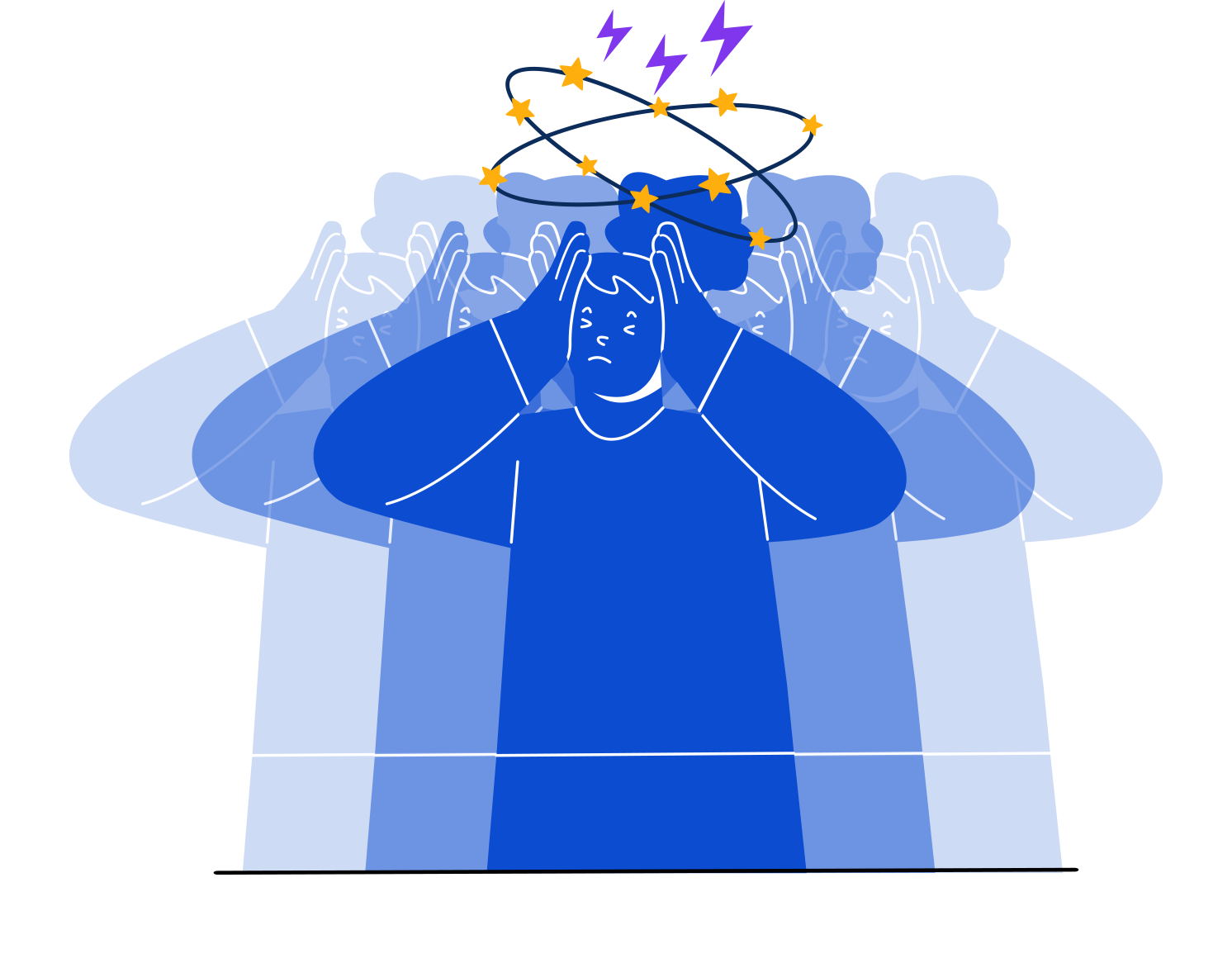
Dizziness, vertigo, imbalance, and unexplained falls can make even simple daily activities feel overwhelming. You may feel anxious to drive, exercise, go shopping, or even turn your head too quickly because you’re worried symptoms will return.
The good news is that many balance disorders can be identified and treated.
At Mt. Harrison Audiology, we specialize in evaluating the vestibular system–the part of the inner ear responsible for balance–to help uncover the cause of your symptoms and guide you toward relief.

What are you experiencing?

A spinning sensation (vertigo)
Feeling lightheaded or dizzy
Feeling off balance or unsteady
Difficulty walking in a straight line
Frequent falls or near-falls
Feeling pulled or pushed to one side
Motion sensitivity from cars, crowds, or scrolling
Blurred or bouncing vision with movement
Nausea or vomiting with dizziness
Rocking, swaying, or floating sensations
Brain fog or fatigue during dizzy episodes
Balance disorders affect everyone differently. For some, symptoms come and go. For others, they persist for weeks, months, or even years.
Understanding the cause is the first step toward finding a solution.

The connection between hearing and balance
Many people push through dizziness or assume it’s part of aging. But untreated balance disorders can affect much more than your physical safety. It can lead to avoidance of social activities, anxiety about leaving home, and a lower overall quality of life.
We are specially trained to diagnose vestibular disorders and can evaluate how your inner ear may be contributing to symptoms of dizziness, vertigo, or imbalance.

Dizziness is a symptom, not a diagnosis.

There are many reasons you may experience dizziness, vertigo, or imbalance. BPPV is one of the most common, but it’s only one possibility.
Some of the conditions that can contribute to dizziness and imbalance include:
Vestibular migraine
Vestibular neuritis or labyrinthitis
Ménière’s disease
Unilateral vestibular hypofunction
Persistent postural-perceptual dizziness (PPPD)
Concussion-related balance disorders
You don’t need to figure out which one sounds like you.
Many vestibular conditions share symptoms, which is why a thorough evaluation matters. Our job is to understand what you’re experiencing, evaluate how your balance system is functioning, and help determine the right next step.
Could it be BPPV?
One of the most common causes of vertigo is a condition called Benign Paroxysmal Positional Vertigo (BPPV).
BPPV occurs when tiny calcium crystals inside the inner ear become displaced and move into areas where they don’t belong.
While the symptoms can feel alarming, BPPV is often highly treatable. In many cases, a series of specialized repositioning maneuvers can move the crystals back where they belong and significantly reduce symptoms.
Common signs of BPPV include:
Sudden spinning sensations when rolling over in bed
Dizziness when looking up
Vertigo when bending down
Brief episodes triggered by changes in head position
Nausea during episodes


Our Balance Evaluation Process

Comprehensive Case History
We’ll discuss your symptoms, medical history, medications, and when your dizziness occurs.

Because hearing and balance systems are so closely linked, hearing testing often provides important clues

We evaluate how your balance system is functioning and identify whether the inner ear may be contributing to your symptoms.
If appropriate, we’ll assess whether displaced inner ear crystals may be causing vertigo.

Personalized Recommendations
Once we understand what’s causing your symptoms, we’ll explain the findings clearly and discuss the most appropriate next steps.
What is the difference between dizziness and vertigo?
Dizziness is a broad term that can describe feeling lightheaded, faint, or unsteady. Vertigo specifically refers to the sensation that you or your surroundings are spinning or moving.
-
Yes. Many balance disorders originate in the vestibular system of the inner ear, which helps your brain understand movement and maintain stability.
-
BPPV is not typically dangerous, but it can significantly affect quality of life and increase fall risk. Fortunately, it is often very treatable.
-
Contact our office, and we’ll help determine the best path forward based on your symptoms and insurance requirements.
-
BPPV is common, but it’s only one possible cause of dizziness and imbalance. If positional testing shows that BPPV isn’t causing your symptoms, additional vestibular testing can help us better understand how your balance system is functioning and what may be contributing to your symptoms. Depending on the findings, we may recommend treatment, vestibular rehabilitation, additional medical evaluation, or care from another specialist.



You don’t have to figure this out on your own.
Let’s identify what's causing your symptoms and help you regain confidence in your balance.